How to Throw Darts Like a Pro: The Ultimate Step-by-Step Guide for Consistent Scoring
Throwing darts may look simple, but achieving consistent high scores requires mastering a precise sequence of techniques—from stance and grip to aim and mental focus. Whether you’re a casual player looking to impress friends at the pub or an aspiring league competitor, this step-by-step guide will teach you how to throw darts like a pro and keep your scores steadily climbing.

1. Choose the Right Equipment
Before diving into technique, ensure your gear is up to par:
-
Darts: Opt for a balanced weight (usually between 22–26 grams). Heavier darts offer stability; lighter ones allow faster release.
-
Flights & Shafts: Slim flights reduce drag; standard flights offer more lift. Match your flights with durable, medium-length shafts for control.
-
Board: A tournament-grade sisal board (bristle) with self-healing fibers gives the truest bounce-out pattern.
Pro tip: Trial several dart weights and flight styles to find the combination that feels most natural.
2. Establish a Solid Stance
A reliable stance sets the foundation for accuracy:
-
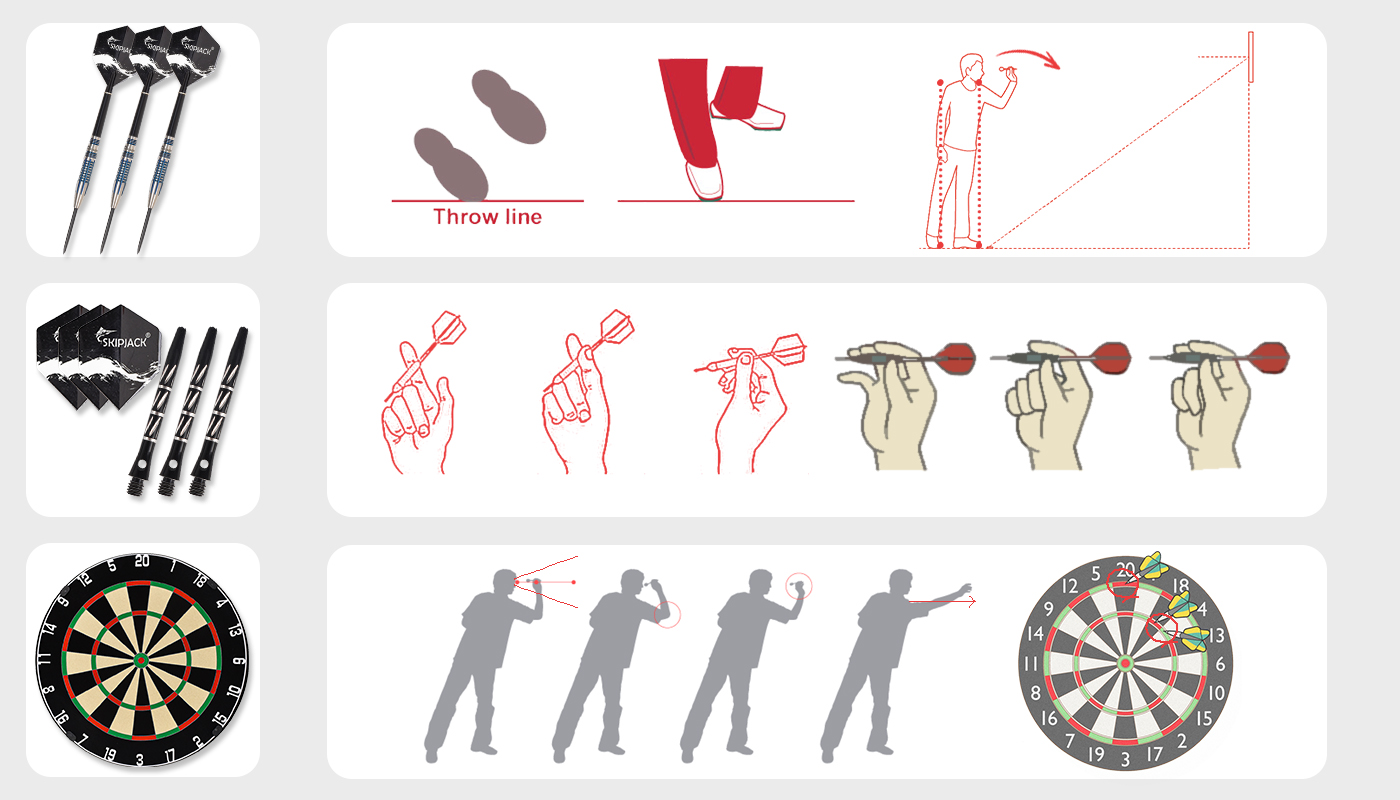
Foot Placement:
-
Lead foot (same side as your throwing hand) points toward the board, roughly shoulder-width apart from your rear foot.
-
Distribute about 60 % of your weight on the lead foot.
-
-
Body Alignment:
-
Square your hips and shoulders toward the board.
-
Keep your torso upright but relaxed—avoid leaning too far forward.
-
-
Balance & Comfort:
-
Find a posture where you can stand comfortably for multiple throws without shifting weight.
-
By maintaining a consistent stance, you minimize variables in your throw.
3. Master Your Grip
The perfect grip feels natural and repeatable:
-
Finger Position:
-
Use three contact points: thumb on one side, first and second fingers on the other.
-
Pressure should be firm but not tense—imagine gently holding a small bird.
-
-
Orientation:
-
Darts should rest in the web between thumb and forefinger.
-
Barrel alignment follows the flight path—point slightly upward to counteract gravity.
-
-
Common Variations:
-
Two-Finger Grip: For players preferring extra resistance.
-
Four-Finger Grip: Offers more control over barrel rotation.
-
Experiment to discover what grip yields the steadiest feel in your hand.
4. Perfect Your Aiming Technique
Accurate aim separates average throwers from pros:
-
Eye on the Target:
-
Focus on a single segment (e.g., triple 20) rather than the entire board.
-
Keep both eyes open to maintain peripheral awareness.
-
-
Arm Alignment:
-
Bring your throwing arm back so the dart is roughly eye-level.
-
The elbow stays slightly elevated; forearm forms a straight line with the dart.
-
-
Wrist Position:
-
Keep your wrist firm but not locked.
-
A slight flick at release adds velocity and spin.
-
By training your eye–dart alignment, you’ll develop muscle memory for pinpoint accuracy.
5. Execute the Throw
Consistent throws hinge on smooth, repeatable motion:
-
Backswing:
-
Draw your arm straight back in a controlled arc.
-
Avoid rotating your wrist too early.
-
-
Forward Motion:
-
Propel your forearm forward, leading with the elbow.
-
The dart should glide out of your fingers with a slight forward wrist snap.
-
-
Release Point:
-
Let go when your arm is fully extended toward the board.
-
Release should feel effortless—forcing the dart causes inconsistencies.
-
-
Follow-Through:
-
Continue the arm motion toward the target, finishing with fingers pointing at the board.
-
A strong follow-through ensures the dart travels true.
-
Refining the synchronicity of backswing, release, and follow-through is key to consistent scoring.
6. Develop a Practice Routine
Deliberate practice accelerates improvement:
-
Segment Drills: Spend 5 minutes each on bullseye, triple 20, and double segments.
-
Scoring Games: Play “Around the Clock” or “301” to combine precision with match-play pressure.
-
Repetition Sets: Throw minimum of 50 darts per session, focusing on form over speed.
Record your scores and note which technique adjustments yield the biggest gains.
7. Cultivate the Right Mindset
Mental toughness often makes the difference under pressure:
-
Pre-Throw Ritual: Develop a short routine—take a deep breath, visualize the flight path, then throw.
-
Stay Present: Focus on each dart, not past misses or future totals.
-
Positive Self-Talk: Replace frustration with constructive cues (“steady grip,” “smooth release”).
By managing nerves and maintaining confidence, you’ll replicate your best practice throws in competitive play.
8. Fine-Tune and Adapt
As you progress, continuously tweak:
-
Weight Adjustments: Try slightly lighter or heavier darts to refine control.
-
Flight Shape Changes: Switch between standard and slim flights to optimize speed versus stability.
-
Shaft Length Variations: Longer shafts can slow the dart’s arc, shorter shafts speed it up.
Keep a log of each change’s impact on your scoring consistency.
Conclusion
Mastering each element—equipment choice, stance, grip, aim, throw mechanics, practice discipline, and mental focus—will empower you to throw darts like a pro and achieve consistent scoring every time. Follow this ultimate step-by-step guide, and you’ll see your averages climb as your confidence grows.
Dropshipping Custom Darts: Opportunities and Challenges for Online Sellers
How to Source Reliable Custom Dart Manufacturers for Global E-Commerce
Best-Selling Custom Dart Ideas for Amazon and Shopify Stores in 2025
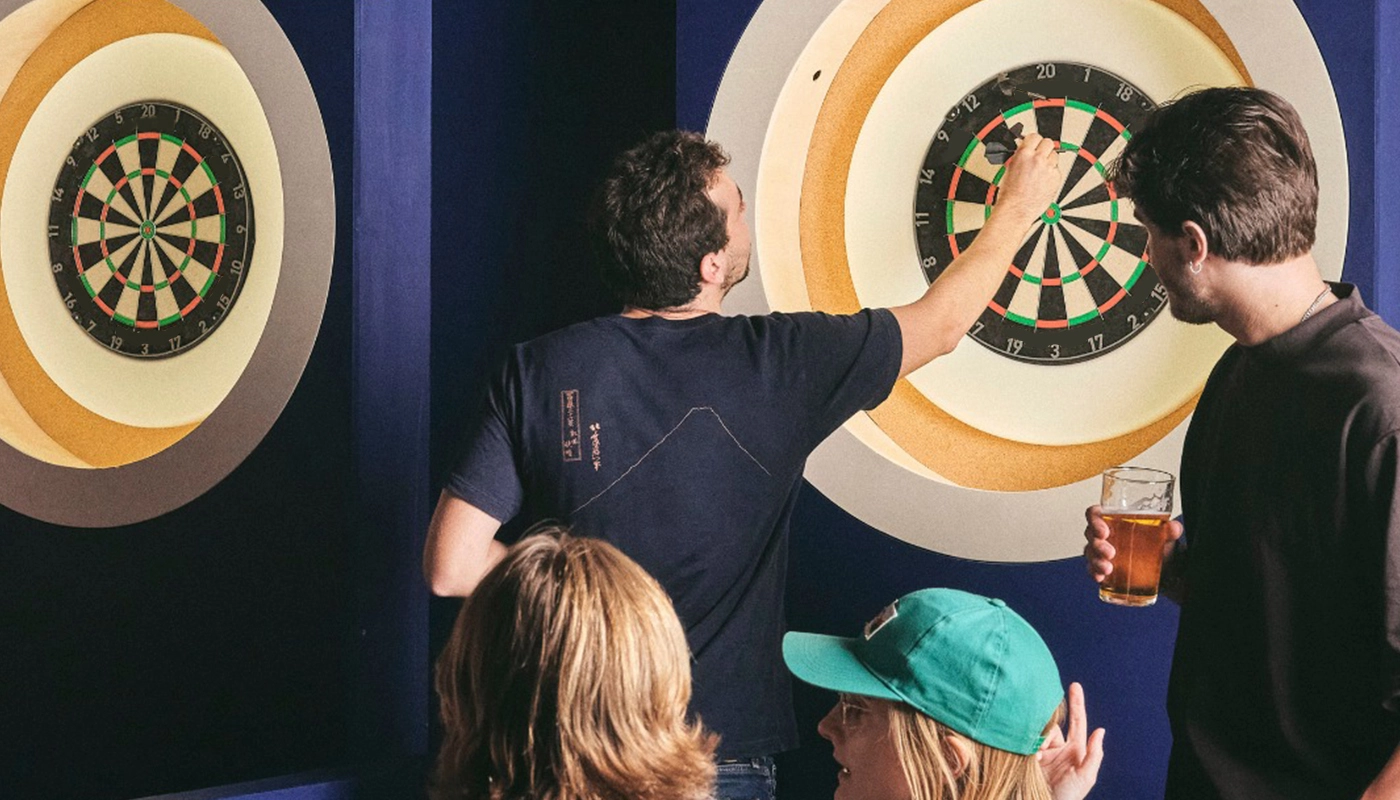
Boost Your Promotional Campaigns with Branded Dartboards
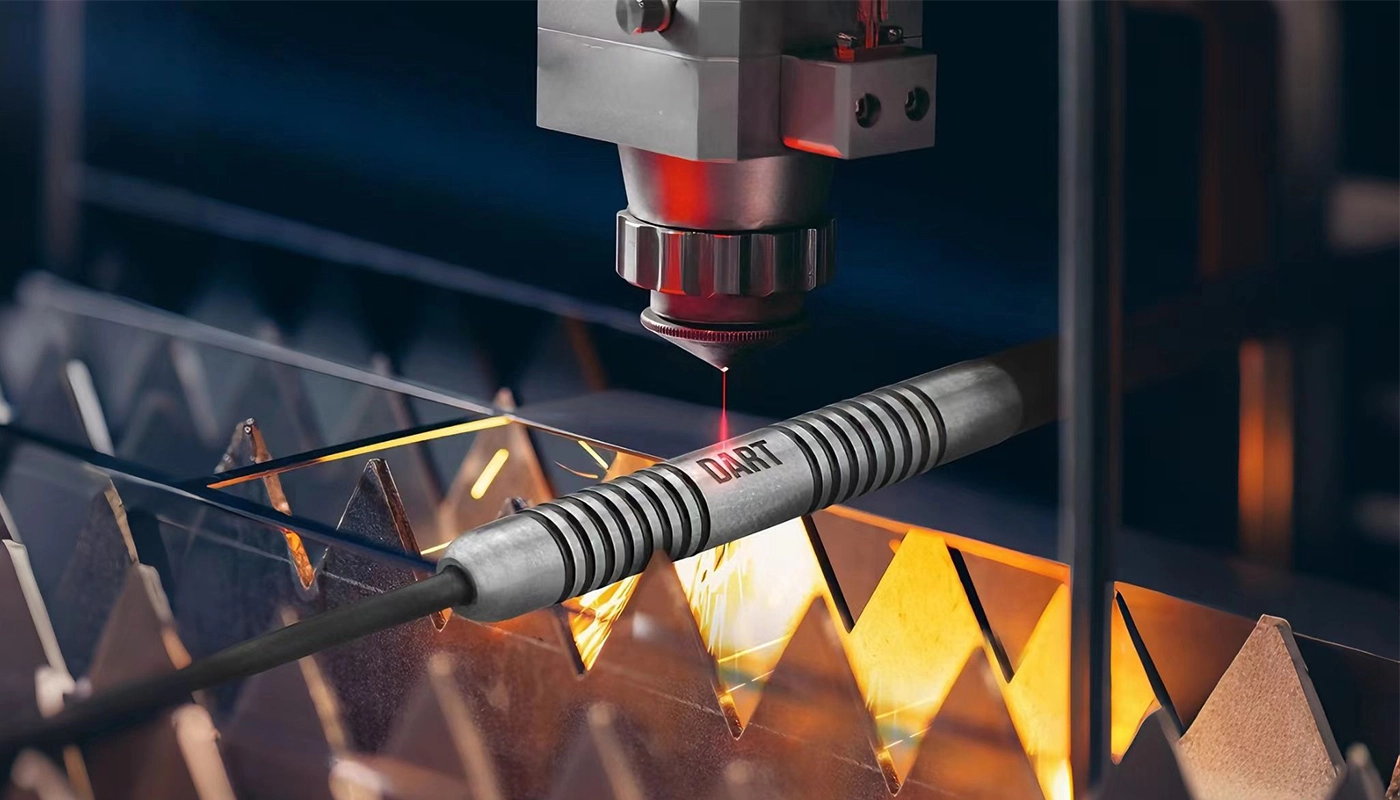
Custom Darts as Premium Corporate Gifts: A Unique Way to Impress Clients
Darts
How to test the balance performance of darts?
Use a dynamic balance tester to detect the center of gravity position to ensure the stability of the flight trajectory when throwing.
Dart usage scenarios
Are dart products suitable for gymnasiums?
Yes, especially training dart boards, which are suitable for sports team training.
Dart Shafts
What are the options for the tail design of the dart?
Including straight grain type, curved type and texture enhancement type, suitable for different throwing needs and trajectory optimization.
Services provided
Can customers know the detailed information of the production process in advance?
We will update customers on the production progress regularly, and customers can consult us for production details at any time to ensure the smooth progress of the project.
Dart boards
What are the fixing methods of the dart board?
There are two types: hook type and bracket type, which can be flexibly adapted to home and commercial scenarios.
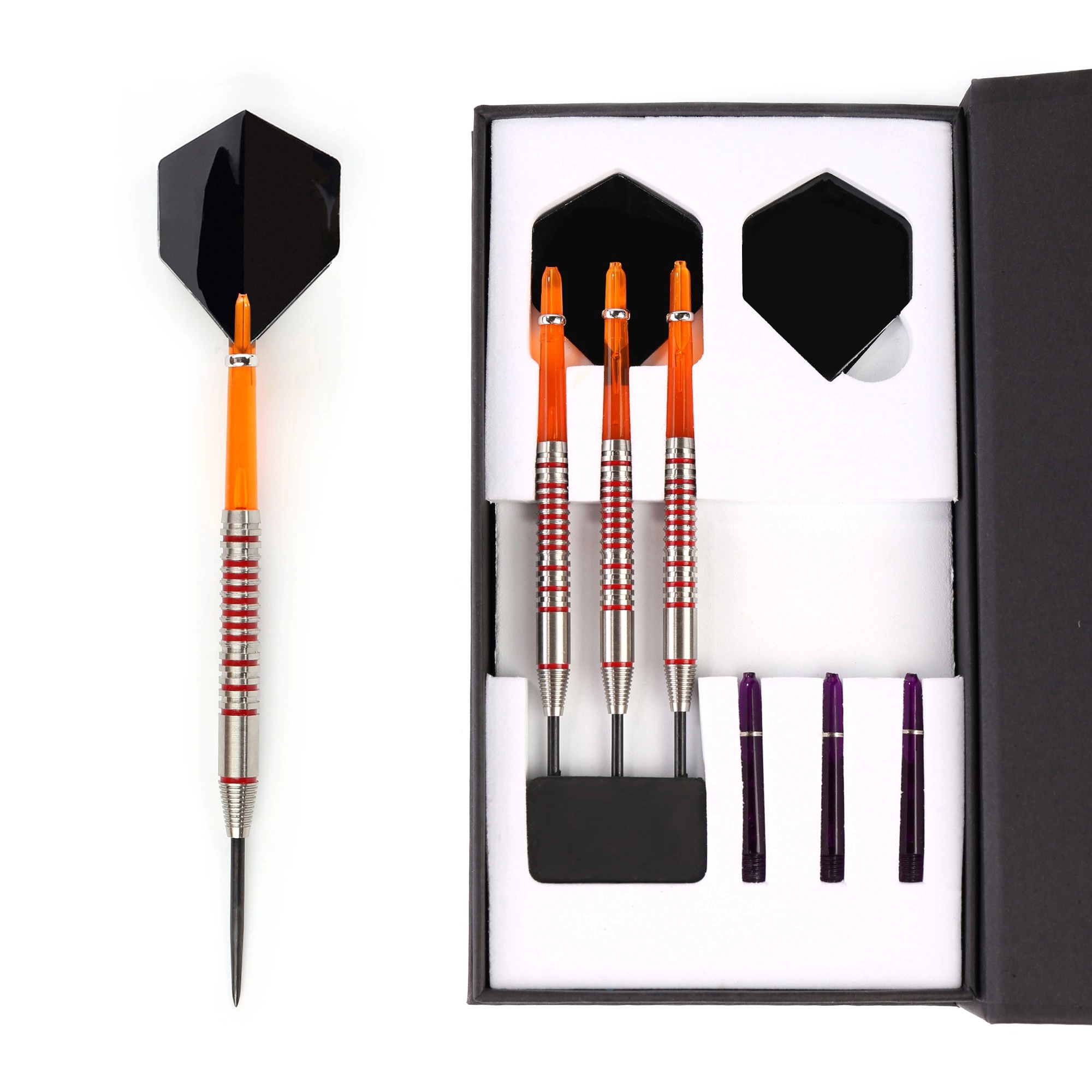
The Perfect Dart Set to Learn How to Throw Darts at Home or Club
Master the art of darts with SKIPJACK's Perfect Dart Set! Learn how to throw darts like a pro, at home or your local club. High-quality construction for accurate throws. Get yours today!
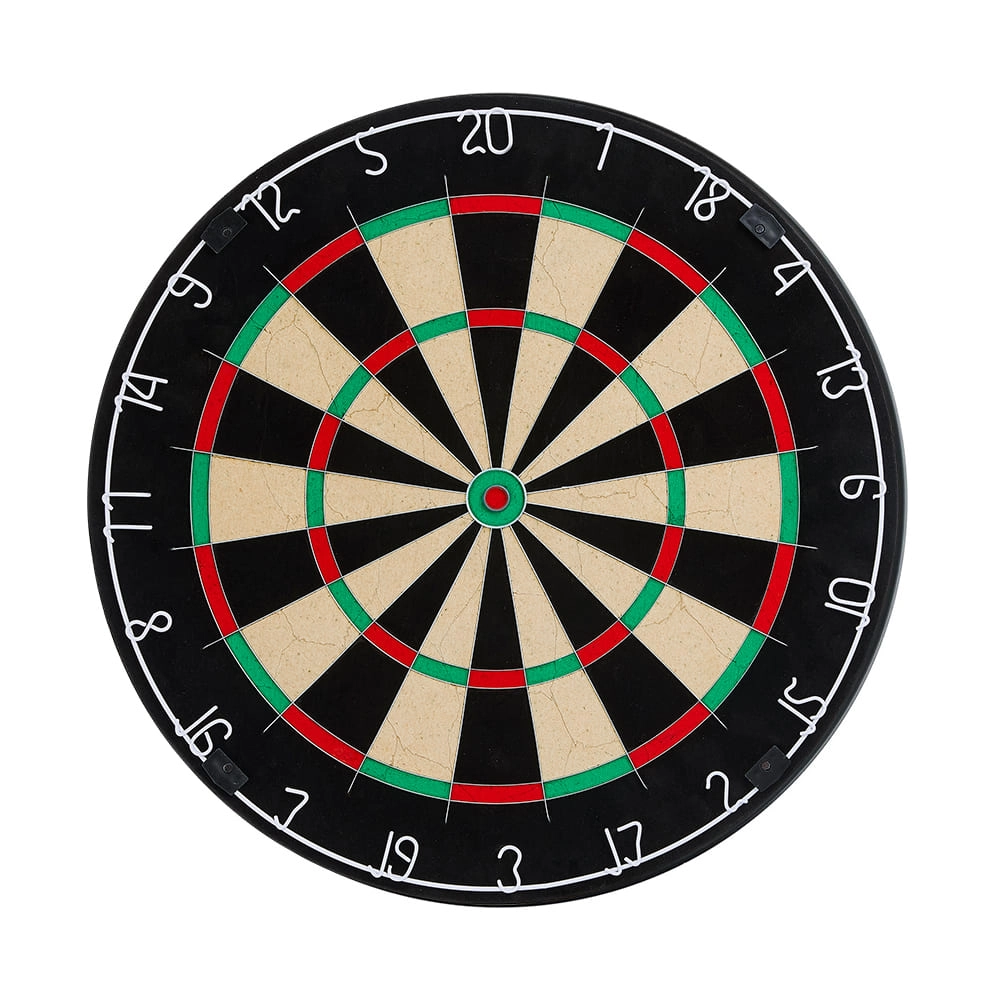
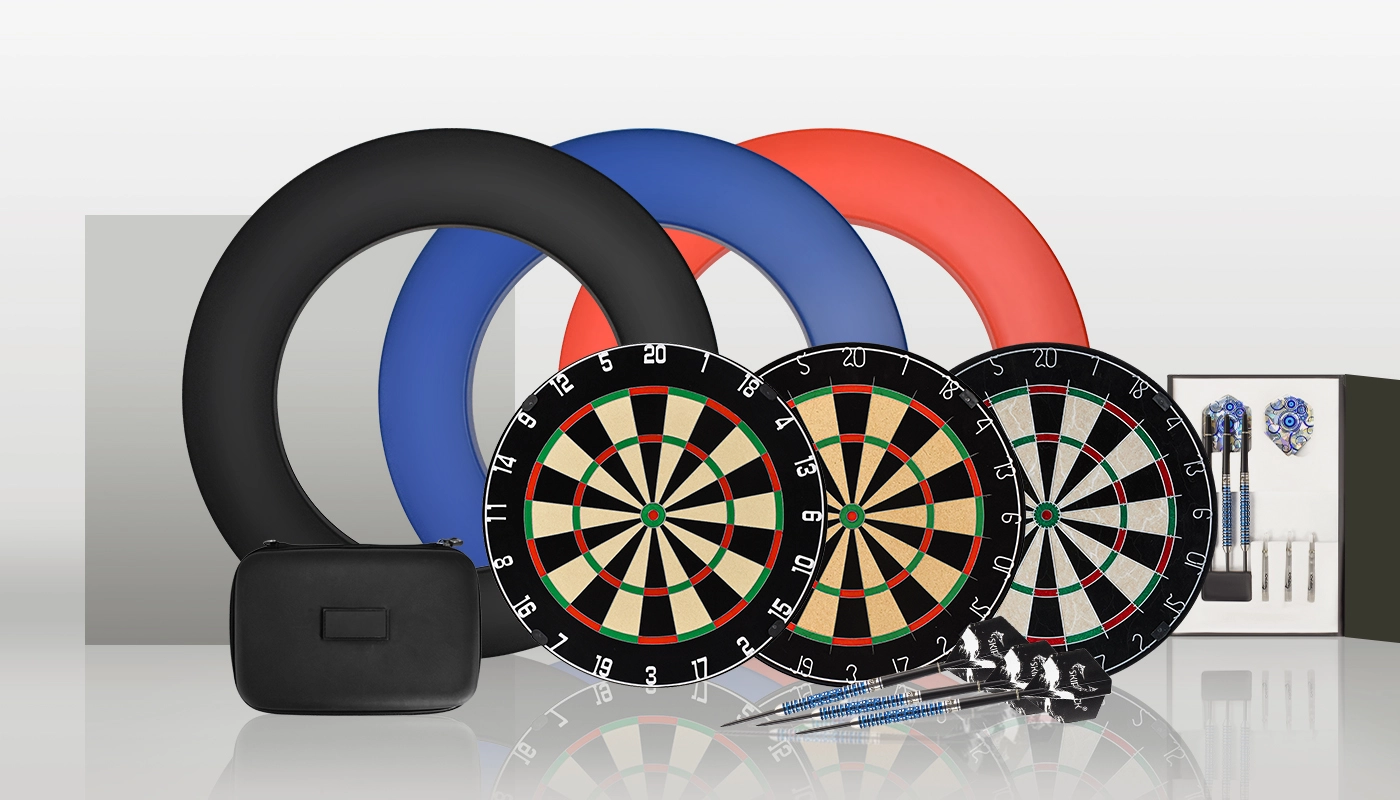
Custom High Quality 18 Inch Brazilian Sisal Dart Board
This Brazilian Sisal Dart Board is made of high-quality Brazilian Sisal fiber, which has excellent self-healing function. The darts can recover quickly after being pulled out, extending the service life. Its sturdy and durable structure and professional design are suitable for all kinds of dart enthusiasts, whether it is family entertainment or competitive competition, it can provide an excellent gaming experience.
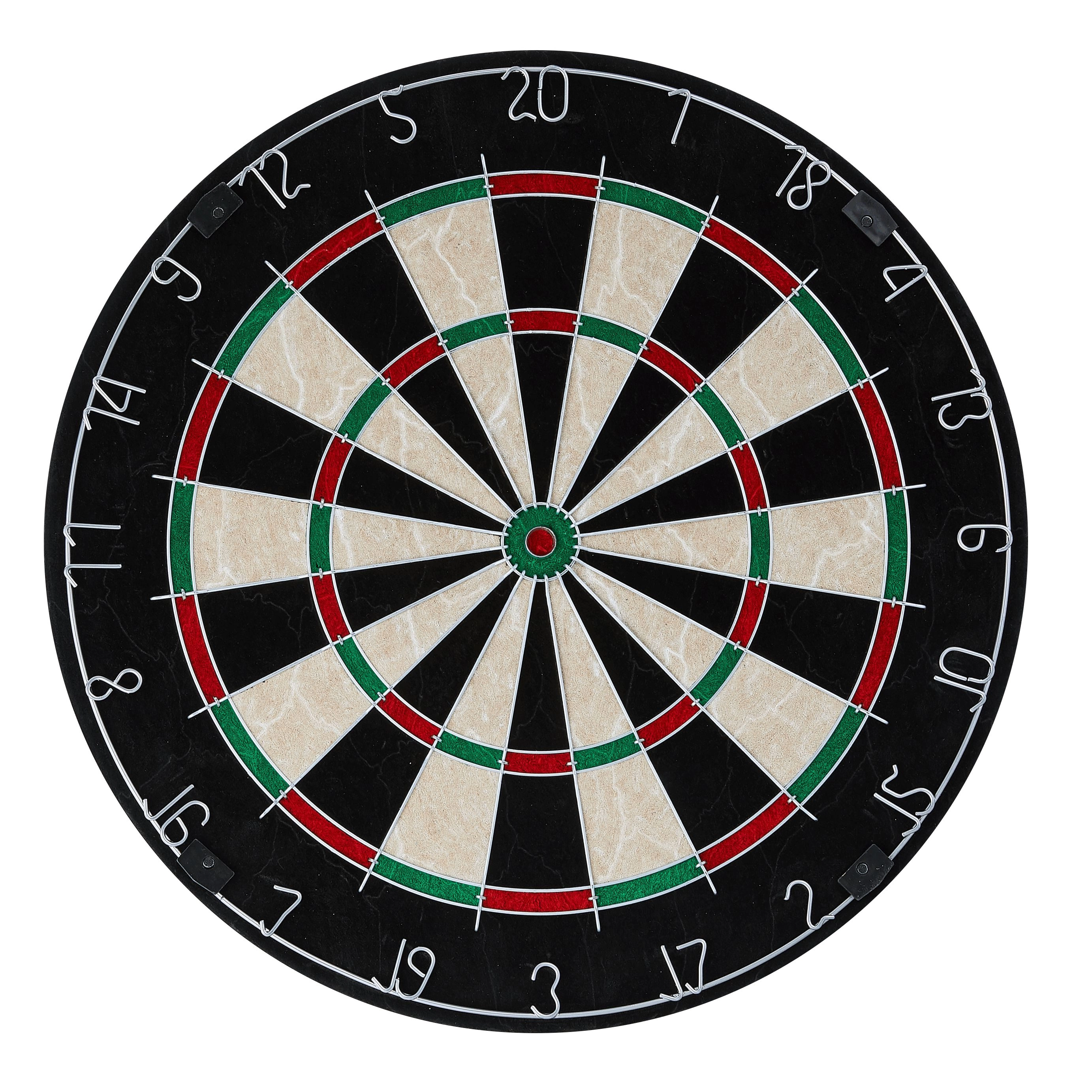
Custom Bristle Steel Tip Dartboard Set Spider Wire Compressed Sisal Board with Rotating Number Ring
This Round line sisal dart board is made of high-quality sisal fiber, with self-healing function to extend its service life. The classic round wire isolation design is durable and stable, suitable for family entertainment and dart beginners, making every throw full of fun. Suitable for home, bar, game room and other places, it is your ideal choice for relaxation and socializing
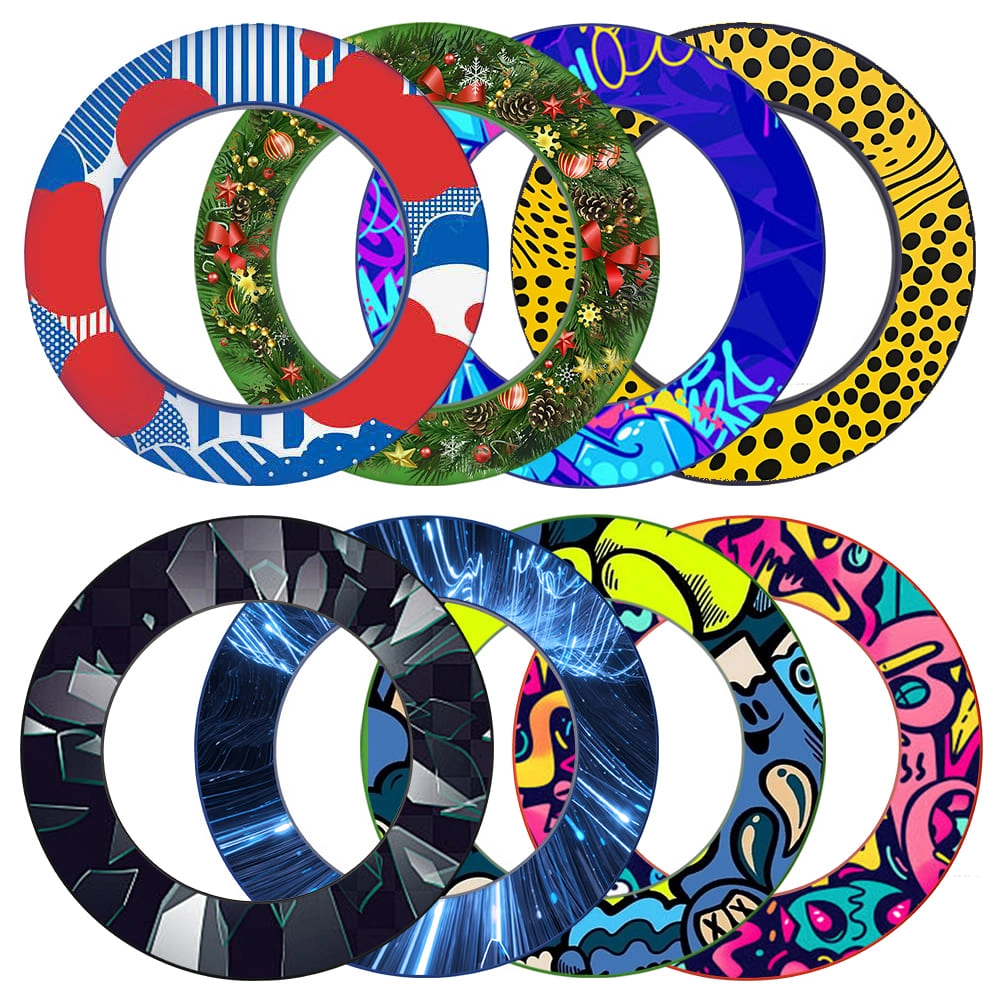
Wholesale custom pattern PU dartboard surround
PU dartboard surround is a dart board accessory made of high-strength polyurethane material, providing all-round protection to prevent darts from damaging walls or furniture and extend the service life of the dart board.
Discover SKIPJACK’s Custom Dart Solutions
SKIPJACK offers darts custom-made solutions designed for excellence. Improve your game with our precision-crafted, customized darts.

At SKIPJACK, We offer darts customized solutions tailored to meet the unique needs of our clients through our ODM (Original Design Manufacturing) and OEM (Original Equipment Manufacturing) services.


Whatsapp: +8615919340906
SKIPJACK DARTS
SKIPJACK DARTS
SKIPJACK DARTS